Published: | Updated:

Why does one fiddle need water sooner than another? Light, humidity, temperature, season, pot size, drainage, and root health all affect how quickly the soil dries. Use these seven checks to understand your own plant’s needs, especially when a familiar watering routine stops working.
For the basic watering steps, see our fiddle leaf fig watering guide. Here, we’ll focus on the conditions that can change the timing.
Fiddles don’t like soil that stays wet for too long, which can contribute to root rot. The goal is to water the root ball thoroughly and give it time to dry enough before watering again.
Dryness can also damage your fiddle, causing leaves to dry to a crisp and fall off!
It’s important to know how best to handle watering your fiddle leaf fig, but there is no one-size-fits-all advice for watering because there are so many factors that determine a plant’s watering needs.
Start with the soil, rather than a fixed amount
A cup-per-foot rule can’t account for the pot, soil, and growing conditions. When your fiddle needs water, pour slowly across the soil until water runs from the drainage holes, then let the pot drain.
Check whether the top inch feels dry and the soil is no longer wet deeper down before watering again. The factors below help explain why that timing varies.
Factors to Consider When Watering Your Fiddle Leaf Fig
Light
Fiddle leaf figs love light. We recommend putting your plant in bright, indirect sunlight to help it grow and thrive, but proper lighting also helps the plant use water more efficiently.
If your plant doesn’t get enough light, you may notice that it takes the soil a long time to dry out. Without light, the soil will retain more moisture and you’ll risk problems associated with over-watering.
If your fiddle isn’t getting enough light, improve its location and allow more time between waterings while the soil is still wet. Repeated small sips aren’t a substitute for the light it needs.
Humidity
As tropical plants, fiddles also love humidity. A lack of humidity can cause drying and cracking in the leaves, and new leaves may grow out with holes or even crumple up entirely.
A humidifier can help when indoor air is very dry. Dry air may also make the soil dry faster, but check the soil before adding water; extra watering won’t fix low humidity when the roots are already wet.
In a dry room, you may need to check the soil more often. The watering method still needs to moisten the root ball evenly and allow excess water to drain.
Temperature
Temperature affects how quickly your fiddle’s soil dries. A warm room may shorten the wait between waterings, while a cooler room may lengthen it.
As temperatures change, follow the soil rather than automatically changing the amount of water. Wait while it’s still wet deeper down, and water thoroughly when it’s ready.
If you live in an area without distinct seasons, you may not need to do this as much, but watch your fiddle closely for signs of dryness or over-watering as the seasons change.
Season
Many fiddles grow more in spring and summer and use water faster during active growth. Indoor conditions vary, so let the soil and your plant’s growth guide you rather than the month alone.
Pot size
This factor is more to prevent over-watering than anything else.
Many new fiddle leaf fig owners make the mistake of putting their fiddle in a pot that’s much larger than the root ball. A baby fiddle in a giant pot is a recipe for disaster!
A pot with far more soil than the roots can fill may stay wet too long. When you repot your fiddle, choose a container only slightly larger than the root ball, with drainage holes.
Drainage
We say it all the time: good drainage is KEY to maintaining a healthy fig!
Choose a pot with drainage holes and a loose potting mix that holds some moisture while letting excess water drain away. Our all-organic fiddle leaf fig potting soil is one option. Organic materials can help hold moisture and nutrients, while a well-aerated mix leaves room for air around the roots. Organic soil still needs careful watering—don’t leave the pot sitting in water.
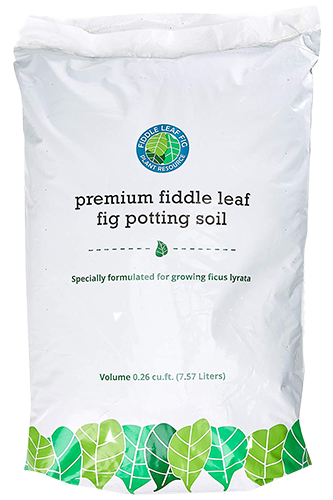
Our fast-draining, well-aerated soil is designed to correct brown spots, prevent dropping leaves, and encourage new growth.
Enjoy healthy, dark green leaves and stop stressing about your plant!
BUY PREMIUM FIDDLE LEAF FIG POTTING SOILThe pot material makes a difference too! Unsealed terracotta usually dries faster than plastic or glazed ceramic. If your fiddles live in different kinds of pots, check each one separately.
Root health and growth
A fiddle with damaged roots or little new growth may use water more slowly. If you suspect root rot, check the soil and roots instead of guessing from a leaf spot alone.
Let the soil guide the timing while your fiddle recovers. Don’t deliberately keep a recovering plant bone-dry or leave it sitting in wet soil.
So…how much do I water it again?
I know, this is a lot to think about all at once! No two fiddles will have the exact same needs, even if they’re the same size and live in the same home.
Keep an eye on the soil, especially after a move, a repot, or a change in the weather. A moisture meter like this one can be useful alongside a finger or wooden-stick check, but one reading won’t tell you everything about the whole pot.
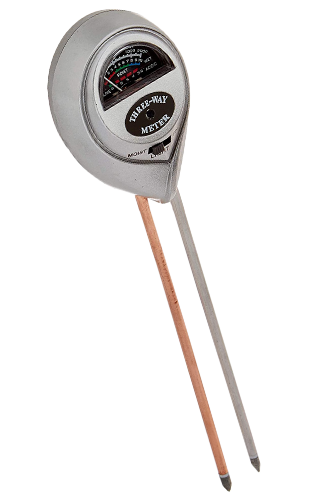
We've designed a professional grade meter for home use!
Use our three-way meter to give you accurate readings on how much water to give them, whether they are in the right place for sunlight and soil pH values.
BUY FIDDLE LEAF FIG SOIL METERTo get started:
Check the soil regularly and notice how it changes after a thorough watering. You’ll soon get a feel for when your own fiddle is ready for another drink.
Watch how the soil dries between waterings
Drying very quickly: First check that water is soaking into the root ball instead of running down the sides. Warmth, dry air, bright light, terracotta, or crowded roots can make soil dry faster. Drooping or brown spots alone don’t prove your fiddle needs water.
Staying wet: Wait before watering again, empty any standing water, and check the pot’s drainage and your fiddle’s light. If the plant is declining, inspect the roots. Brown spots or surface mold alone won’t tell you the cause.
This is definitely a balancing act, but the better you get at watering your fiddle leaf fig, reading your plant and monitoring these factors, the healthier your plant will be! It will be second nature to you in no time!
Come chat about watering your fiddle with other fiddle leaf fig owners in our Facebook Community.
Grab the Essentials for Your Fiddle Leaf Fig:
- Premium Fiddle Leaf Fig Potting Soil
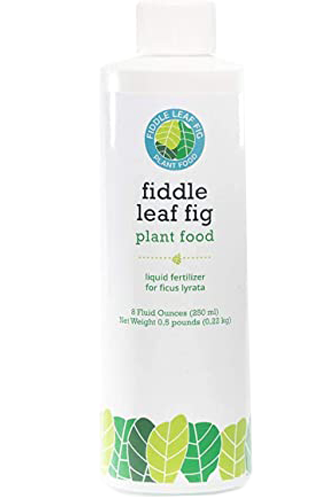
- Fiddle Leaf Fig Plant Food
- Root Rot Treatment to treat one of the most common issues affecting fiddle leaf figs.
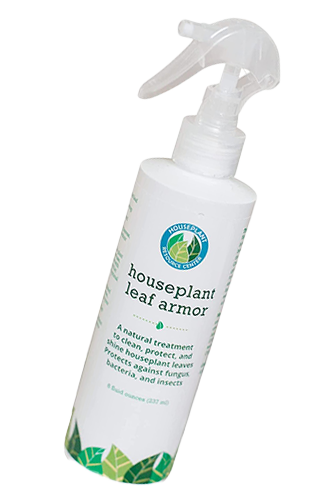
- Houseplant Leaf Armor to protect against insects, bacteria, and fungus (As an added bonus, it also cleans and adds shine to your plant’s leaves!)
- Moisture meter to always know when your plant is thirsty.
To learn more:
- Sign up for our free Fiddle Leaf Fig Care 101 Webinar for advanced fiddle leaf fig care.
- Make sure you’re subscribed to our newsletter.
- Read The Fiddle Leaf Fig Expert, your complete guide to growing healthy fiddle leaf fig plants. The book is available in full-color paperback or Kindle edition on Amazon now!
- Click to join our community on Facebook: Fiddle Leaf Fig Plant Resource Group.